Cleaning, Care & Storage Tips to Make Your Concrete Stamps Last
Your guide to extending tool life, preventing warping, and maintaining consistent impressions on every job.

Concrete stamps aren’t cheap. A quality set can cost thousands of dollars. So you’ll want to get plenty of use out of them, project-after-project.
Luckily, the basic maintenance isn’t complicated. Do these three things, and your stamps will last for decades:
- Clean your stamps well after every job
- Store them properly between jobs
- Inspect them often for signs of wear
That’s it! But, if you skip this maintenance, you’re not just shortening tool life, but you’ll also run into problems on your next job. Dirty stamps transfer release residue and color where you don’t want it. Buildup in the texture creates weak or blurry impressions. Cement fines left to harden can warp the polyurethane or dull fine detail.
A few minutes of cleaning now saves you from explaining color streaks or bad texture to a customer later—and saves you money on replacements.
Why Stamp Maintenance Matters
Stamping concrete is a dirty job. Your stamps take a beating from wet concrete, release agents, cement fines, and repeated flexing. Plus you’re walking all over them! Without regular care, that wear adds up fast.
Proper maintenance will keep your stamps working well for decades, not just a few years. It prevents warping, cracking, and handle failures. It stops color transfer between jobs. And it keeps impressions crisp and consistent.
📢 Did You Know?
Brickform stamps are made from high-quality polyurethane that’s both flexible and tear-resistant. This durability allows for incredible detail and texture and means your stamps can handle decades of use when taken care of.
Use Liquid Release to Protect Stamps During Use
You’ve got two choices of release agents: liquid and powder. Both keep concrete from sticking, but liquid is cleaner and easier on your stamps.
“I always recommend using liquid release. It acts as a built-in conditioner while you’re working, keeps your stamps cleaner, and maintains flexibility on long pours or hot days.” —Antonio Thomas, Brickform Technical Expert
Powdered release works great as an antiquing agent for adding secondary color, but it’s messy. It clings to your stamps and builds up in the texture. Expect to do extra scrubbing afterward.
⭐ Pro Tip:
Want antiquing effects without the mess? Apply an Antique-It after stamping to accent and highlight texture. Your stamps stay cleaner and you still get the depth and contrast you’re after.

Clean Your Stamps After Every Project
Clean your stamps as soon as you finish the job, ideally in a spot with good drainage like gravel or grass. Release agents and cement fines harden fast, so don’t wait. You don’t want to be stuck with stubborn buildup in the texture and grout lines.
Good: Water and dish soap
Scrub with water and Dawn dish soap right after use.
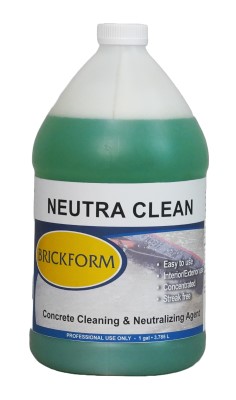
Better: Neutra Clean
Use Neutra Clean with a scrubber or bristled broom for more thorough cleaning.
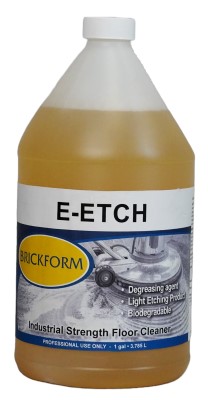
Best: E-Etch
For everyday buildup, use E-Etch with a good scrub brush. You really need to get all the concrete off the stamp. It can dry, stick, and become even harder to clean. For tougher jobs, let the E-Etch react for a bit and scrub again.
Last resort: Pressure washing
For stamps with tons of dry concrete or buildup that won’t come off, light pressure washing is okay. But use a wide-angle tip and be careful. You can cut through the polyurethane or mess up the texture if you overdo it.
“If you’re using a powdered release and don’t clean your stamps well, that residue transfers color to the next job. Then you’ll have to explain why the color doesn’t match what the customer ordered.”
—Antonio Thomas, Brickform Technical Expert

What to avoid:
- Harsh solvents (acetone, xylene, lacquer thinner) that degrade polyurethane.
- Abrasive pads or wire brushes that scratch the texture.
- Leaving dirty stamps in the sun can dry or bake on cement paste.
Do You Need to Condition Your Concrete Stamps?
If you’re cleaning your stamps properly after every job, and using liquid release, you don’t need to worry about conditioning. Regular cleaning and proper storage are enough to keep them in good shape.
Some contractors use conditioners that claim to restore an “oil finish” to stamps, but that’s not always a good thing. That oily surface can actually increase the risk of color transfer and attract dirt.
📢 Did You Know?
Stamps fresh out of the package have manufacturing oils on them that can cause discoloration on your concrete. So, wash your new stamps before using them for the first time.

Store Your Concrete Stamps Properly
Your stamps need a proper home between jobs. Keep them stored until the day you need them, then bring them out, use them, clean them, let them dry and put them right back. Don’t leave them sitting in your truck or trailer. High heat, UV exposure, and outdoor conditions cause warping.
Dry completely before storing. Moisture trapped under a stack leads to early deterioration. Store in a cool, dry place.
Store stamps flat. Stack sets flat on a pallet, shelf, or rack to prevent bending or warping. Don’t fold or hang them in ways that distort their shape.
Avoid weight and pressure. Don’t stack heavy stamps on top of thin texture skins. Avoid setting buckets, tools, or other gear on your stamps.
Protect from heat and UV exposure. Store indoors, away from direct sunlight or spots where heat can cause warping. Climate-controlled spaces are best.
“Urethane doesn’t like moisture. So when you store stamps outside, eventually the moisture will break down the urethane and you will start having issues with your stamp mats.”
—Josh Cunningham, Brickform Technical Support Representative
Inspect Your Stamps for Signs of Wear
Check your stamps after every cleaning. Catching problems early lets you replace tools before they affect the quality of your work.
Signs of wear:
- Cracked or brittle edges
- Warping or uneven thickness
- Embedded debris in texture or joints
- Loose, cracked, or breaking handles
- Inconsistent flexibility between stamps
“Old texture skins? No problem. Cut them and make them into border tools or touch up mats.”
—Antonio Thomas, Brickform Technical Expert
When to replace your stamps:
- Stamps no longer lie flat
- Texture becomes rounded or worn
- Handles tear or flexibility is compromised
- Damage affects pattern consistency
See More📢 Did You Know?
Brickform stamps are available individually or as sets. This makes it easy to just replace one stamp if the rest of your mats are still in good condition. Find a distributor near you to get the tools you need.